How to Protect Your Construction Equipment During Hurricane Season
Hurricane season can bring high winds, heavy rain, flooding and storm surge that put construction equipment at serious risk. A single storm can sideline a machine for weeks, making preparation an important part of protecting your fleet and keeping projects moving. For contractors and fleet managers, preparing equipment before a storm develops can help reduce damage, minimize downtime and support a faster return to work.
A hurricane season heavy equipment checklist gives your team a clear process to follow before severe weather arrives. From checking fluid levels and mechanical systems to planning equipment relocation, the right preparation can make a major difference when a hurricane is headed your way.
Here are the key steps to include in your heavy equipment hurricane preparedness plan.
Why Heavy Equipment Hurricane Preparedness Matters
When a hurricane is approaching, time and resources can become limited quickly. Transportation companies may be booked, fuel may be harder to find and crews may be focused on securing jobsites and protecting other assets.
That makes preparation well before a storm is forecast especially important.
For contractors operating in hurricane-prone areas, construction equipment hurricane season preparation should be part of regular fleet planning. Reviewing equipment condition, identifying flood risks and establishing relocation procedures ahead of time gives your team a plan to follow when severe weather is approaching.
Pre-Hurricane Season Checklist for Heavy Equipment
Before hurricane season begins, inspect each machine in your fleet and review your plan for protecting equipment at every jobsite, yard and storage location.
1. Check Fluid Levels and Mechanical Systems
A thorough mechanical inspection should be one of the first steps in your pre-hurricane season checklist for heavy equipment.
Review key fluid levels and inspect each machine for existing maintenance issues that should be addressed before severe weather arrives.
Check:
- Engine oil: Verify the level, inspect for contamination and complete any overdue changes.
- Hydraulic fluid: Check levels and inspect hoses, fittings and components for leaks or damage.
- Coolant: Confirm the proper level and condition.
- DEF: Check the level and confirm the system is operating properly.
- Batteries: Inspect terminals and connections for corrosion, damage or looseness.
- Tires and undercarriage: Check for damage or wear that could affect equipment movement before or after a storm.
- Attachments: Confirm buckets, blades and other attachments are secured and in good condition.
Document the inspection and address maintenance issues before hurricane season whenever possible. Taking care of repairs early can help avoid competing for service and parts when a storm is approaching.
2. Assess Flood and Storm Surge Risks
Water can be just as damaging to heavy equipment as high winds. Before hurricane season, evaluate the flood and storm surge risk at each location where your equipment is stored or operating.
Identify which jobsites, equipment yards and staging areas are vulnerable to:
- Storm surge
- Flash flooding
- Rising rivers or waterways
- Heavy rainfall
- Prolonged standing water
This information can help your team determine which machines need to be moved and where they can be safely relocated.
Equipment storm surge protection starts with knowing where the risks are. Review available flood maps and establish alternate storage or staging locations outside areas that are likely to flood. Whenever possible, plan to move equipment to elevated ground before flooding occurs.
3. Create a Flood Zone Equipment Relocation Plan
Moving heavy equipment takes time, transportation and coordination. Waiting until a hurricane is approaching can make transportation and staging resources more difficult to secure.
Build a flood zone equipment relocation plan before hurricane season begins.
Your plan should identify:
- Safe relocation sites: Determine where equipment can be moved if a jobsite or yard is at risk of flooding.
- Transportation resources: Identify the trucks, trailers, lowboys and drivers needed to move your equipment.
- Equipment priorities: Determine which machines should be relocated first based on value, vulnerability and project needs.
- Responsibilities: Assign specific team members to coordinate transportation and equipment movement.
- Trigger points: Define which forecast conditions or evacuation orders will start your relocation plan.
Having these decisions made ahead of time allows your team to focus on execution when a storm approaches.
4. Secure Equipment and Attachments That Must Stay On-Site
Relocating equipment is often the best option when flooding or severe weather is expected, but moving every machine may not be practical.
For equipment that must remain on-site, follow the manufacturer’s recommendations for preparing and securing the machine.
Depending on the equipment and conditions, this may include:
- Lowering buckets, blades and other attachments to a stable position
- Removing loose tools, materials and accessories from the machine
- Closing and securing cab doors, windows and access panels
- Parking equipment away from areas that may flood
- Using appropriate wheel chocks or other manufacturer-approved measures to prevent unintended movement
- Securing equipment according to site-specific safety procedures
Don’t Overlook Attachments
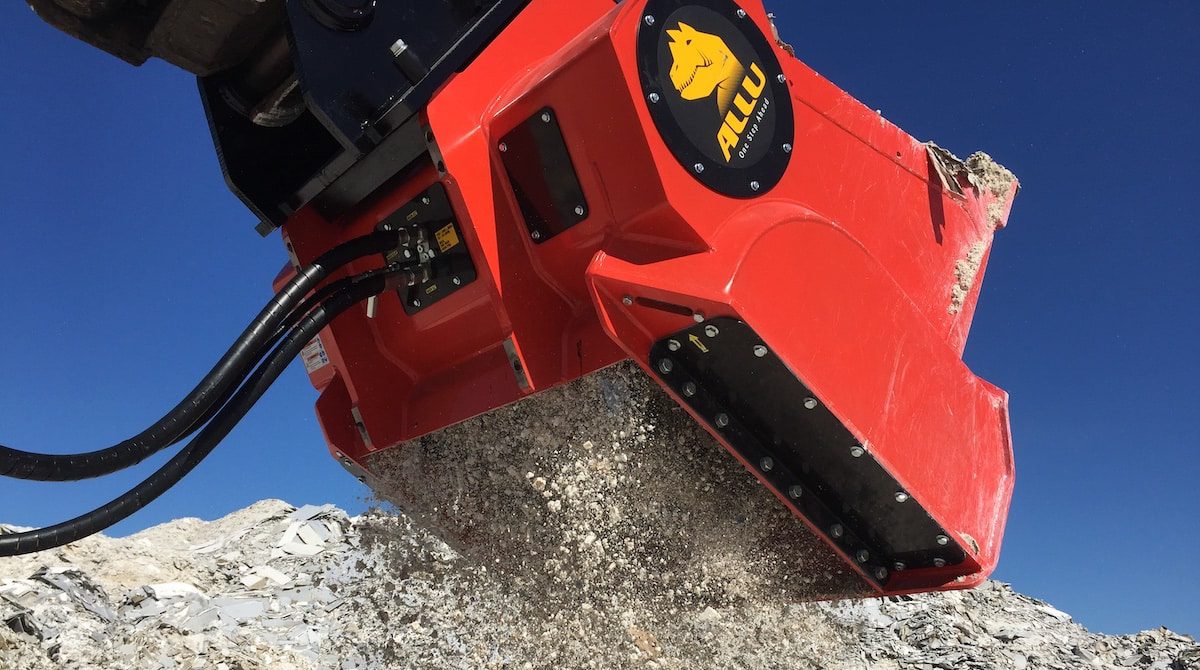
Attachments face their own risks during a storm. Hydraulic connections, drive motors and moving components can be vulnerable to water intrusion and debris when exposed to flooding or high winds.
Before severe weather arrives:
- Detach attachments where possible and store them in a dry, secure location.
- Protect hydraulic hoses, fittings and drive components from water and flying debris.
- Clear moving components of material buildup to reduce the risk of trapped moisture.
- Follow manufacturer guidance for securing or storing attachments that remain on-site.
Avoid making modifications or using tie-down methods that aren’t approved for the specific machine. When in doubt, consult the equipment manufacturer or your dealer for guidance.
5. Document Equipment Before the Storm
Take photos and record the condition of your equipment before severe weather arrives.
Document:
- Machine exteriors
- Attachments
- Tires and undercarriage
- Cab interiors
- Existing damage
- Hour meters
- Identification numbers
Keep inspection and maintenance records with your equipment documentation. A clear record of your fleet’s condition before a hurricane can make it easier to assess damage afterward and provide documentation for insurance purposes when needed.
After the Storm: Inspect Before Operating
Don’t operate equipment that has been exposed to floodwater until it has been properly inspected. Follow the manufacturer’s guidance before returning the machine to service. Operating a flooded machine before it has been checked can cause additional damage.
Make Hurricane Season Fleet Maintenance Part of Your Routine
The best time to prepare construction equipment for a hurricane is before one is in the forecast.
Incorporating storm preparation into your regular hurricane season fleet maintenance schedule can make the process more manageable. As hurricane season approaches, review maintenance records, inspect equipment, evaluate flood risks and confirm that your relocation plan is still workable.
It is also worth reviewing your plan throughout the season. A fleet may move between jobsites, equipment may be added or removed, and previously available staging areas may no longer be accessible.
A current plan ensures your team knows where equipment should go and who is responsible for moving it when severe weather approaches.
Protect Your Construction Equipment Before the Next Storm
The best way to protect construction equipment from hurricane damage is to plan ahead. Regular inspections, proper maintenance, flood risk assessments, relocation planning and equipment security can all help reduce the potential impact of severe weather on your fleet.
Before hurricane season is in full swing, take time to review your equipment and make sure your team has a plan in place.
Ascendum Machinery’s certified technicians can complete a full pre-hurricane inspection, including fluids, hydraulics, electrical systems and undercarriage, and flag anything that needs attention before hurricane season peaks. Schedule your inspection with your local Ascendum Machinery dealer today.